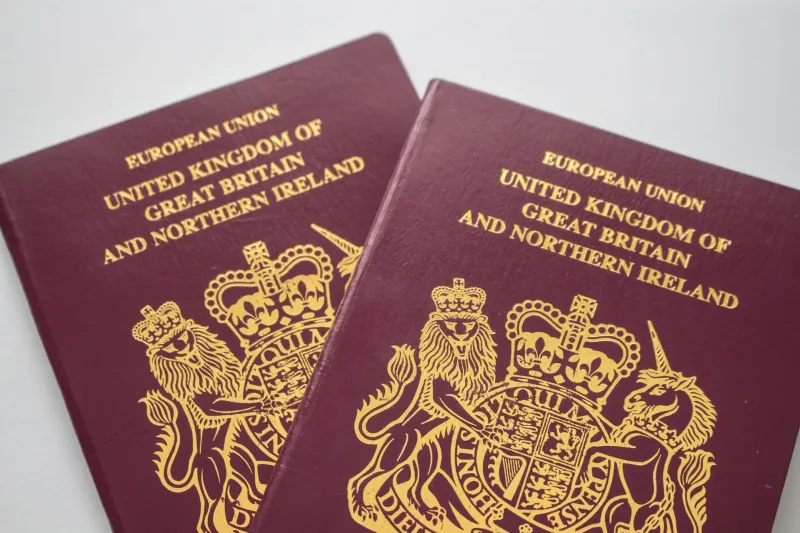
The EU Settlement Scheme protects the right to live in the UK of citizens of the EU, Switzerland, Norway, Iceland and Liechtenstein who were living here by 31 December 2020, and of their close family. The main deadline passed in June 2021, but the scheme is still open to late applicants with good reasons, to family members joining someone with status, and to people moving from pre-settled to settled status.
Settled and pre-settled status for EU nationals at a glance
- Who it is for
- People from the EU, Switzerland, Norway, Iceland or Liechtenstein who started living in the UK by 31 December 2020, and their family members.
- How long you can stay
- Pre-settled status lasts 5 years; settled status has no time limit, but you can lose it after more than 5 years outside the UK (4 for Swiss citizens).
- Where you can apply from
- You can apply in the UK. From abroad, you need a biometric EU, EEA or Swiss passport or ID card, or a UK residence card that expired within 5 years.
- Work and study
- With settled or pre-settled status you can work, study, use the NHS for free if eligible, and claim benefits and pensions if eligible.
- Family members
- Family members can join or remain with you if you lived in the UK by 31 December 2020, your relationship began by then, and you have settled or pre-settled status.
- Route to settlement
- With pre-settled status you can usually get settled status after 5 years in a row living in the UK; settled status lets you apply for British citizenship if eligible.
From the official GOV.UK guidance, checked 1 November 2026.
Overview
A successful application gives you one of two kinds of status. Settled status is indefinite leave to remain, for people with five years' continuous residence. Pre-settled status is five years' limited leave, for people who have lived here for less than that.
Both let you live, work and study in the UK, use the NHS, claim benefits if you are eligible, and travel in and out. Applying is free.
Your status is digital. It is held as an eVisa in your UK Visas and Immigration (UKVI) account, and you prove it to an employer or landlord with a share code. Keep the account up to date when you get a new passport, or airlines may refuse to carry you.
Three recent changes matter to most people:
- Pre-settled status is extended automatically by five years before it expires, and since 2025 the Home Office has been converting eligible people to settled status without a new application, using tax and benefit records.
- Since 9 April 2026 the Home Office has been removing pre-settled status from people who have clearly stopped living here. You are contacted first and can explain your absences, and a removal decision can be appealed.
- From 8 October 2026 a family member joining an EU citizen here must apply within three months of the date they last entered the UK lawfully, unless a family permit gives them longer.
Who can apply
Today the scheme mainly helps:
- EU, EEA and Swiss citizens who were living in the UK by 31 December 2020 but never applied, if they have reasonable grounds for applying late.
- People with pre-settled status who now have five years' continuous residence.
- Close family of an EU, EEA or Swiss citizen with status: a spouse, civil partner or durable partner, a child or grandchild under 21 (or older and dependent), or a dependent parent or grandparent. The relationship must have existed by 31 December 2020, except for children born or adopted later.
- Family members of frontier workers, and some family members of people of Northern Ireland.
The scheme is not for EU citizens who first moved here after 2020: they need a visa, such as a Skilled Worker visa. Partners whose relationship began after 2020 use the family rules instead. Irish citizens and people who already have indefinite leave to remain do not need to apply.
Requirements
- Identity: a valid passport or national identity card. Family members who are not EU, EEA or Swiss citizens usually need a valid passport.
- Residence by the end of 2020: you, or the family member you rely on, must have been living in the UK by 31 December 2020.
- Continuous residence: absences of no more than six months in any 12-month period. One absence of up to 12 months is allowed for an important reason such as pregnancy, serious illness, study or an overseas work posting.
- Five years for settled status: five years' continuous residence. If you already hold pre-settled status, absences adding up to no more than 30 months in the most recent five years are also accepted.
- Family relationship: evidence such as a marriage or birth certificate, and of the sponsor's status. A durable partner usually needs two years of living together, with the relationship formed before the end of 2020.
- Suitability: adults are checked for criminal records. Minor offences do not usually stop a grant; serious or repeated offending can.
Late applications
You can still apply after 30 June 2021 if you have reasonable grounds for missing the deadline. GOV.UK gives examples: a parent or local authority failed to apply for you as a child, a serious medical condition, lack of mental capacity, care needs, an abusive or controlling relationship, or coming on a work or study visa and only becoming eligible later. Your evidence must explain the whole period since the deadline, not just one moment.
Joining family members
A family member can come with an EU Settlement Scheme family permit, which is free and lasts six months, or in some cases without one. They must apply by their own deadline: normally three months from their last lawful entry (GOV.UK says 90 days, so it is safest to apply within 90 days), or the end of their family permit or other permission if later. After that, they need reasonable grounds.
How to apply
- Check your deadline and collect your passport or identity card and your National Insurance number.
- Prove your identity with the "EU Exit: ID Document Check" app, or by post if you cannot use it, and provide a digital photo.
- Complete the online form. Your National Insurance number lets the Home Office check tax and benefit records for residence automatically.
- Upload any further evidence asked for: bank statements, tenancy agreements or letters from a school or GP, proof of your family relationship, and your reasons for applying late.
- Answer the criminality questions and, if asked, attend a fingerprint appointment.
- Once the application is accepted as valid, you receive a certificate of application. It proves your right to work, rent and use services while you wait.
- The decision arrives by email or post, and your status appears as an eVisa in your UKVI account.
Family members abroad usually apply online for a family permit first, then apply to the scheme after arriving.
Costs
There is no Home Office fee and no Immigration Health Surcharge for scheme applications, for moving to settled status, or for the family permit.
Other costs can arise: certified translations, travel to a visa application centre for biometrics, and legal advice. If you are refused, you may be charged for NHS treatment received while you waited.
Processing times
There is no published service standard. A straightforward application backed by a clear tax record can be decided within weeks. Late applications, joining family members and cases needing more evidence often take many months, and there is no priority service. Your certificate of application protects your rights in the meantime, including during any appeal.
Partners and children
Close family whose relationship with you existed by 31 December 2020 can join you at any time while you hold status, and so can children born or adopted later.
A child born in the UK while a parent has settled status is automatically British. If the parent has pre-settled status, the child can get pre-settled status and may be able to register as British once the parent settles.
A partner whose relationship with you began after 2020 cannot use the scheme. If you hold settled status, or pre-settled status as an EU, EEA or Swiss citizen, you can sponsor them under the family rules: see our Spouse visa and Unmarried partner visa pages. Family members can sometimes keep their right to stay after a death, divorce or domestic abuse.
Extending your stay and settlement
You do not need to apply to extend pre-settled status. If you qualify for settled status, the Home Office may convert you automatically and will email you. You can also apply yourself, free, once you have five years' residence, unless you have been told you are being considered for automatic conversion.
Status can be lost. Settled status lapses after five years in a row outside the UK (four years for Swiss citizens and their families). Pre-settled status can be removed if you stop living here.
Settled status is the usual step towards British citizenship. Most people can apply 12 months after receiving it, or sooner if married to a British citizen.
How we can help
We check whether you or your family qualify, which status to expect and which deadline applies. For late applications we help you set out your reasons and gather evidence covering the whole period, which is where many late applications fail.
We prepare family members' applications, find residence evidence where the automated check falls short, and answer Home Office requests for information. If you have had a letter about removing pre-settled status, or a refusal, we advise on your options and prepare an appeal (see Appeals and judicial review). You can book a consultation in person, by telephone or by video.
Frequently asked questions
I never applied and the deadline has passed. Can I still apply?
Yes, if you were living here by 31 December 2020 and have reasonable grounds for the delay. Be specific about why you did not apply and give evidence, such as medical records or letters from social services. Until you apply, your rights are not protected.
My pre-settled status expires next year. What should I do?
It will normally be extended automatically by five years before it expires, and you will be emailed when that happens. If you already have five years' residence, it is often better to apply for settled status yourself.
How do I prove my status without a card?
Sign in to your UKVI account and create a share code. An employer, landlord or bank enters it with your date of birth on GOV.UK. A biometric residence card can no longer be used.
I married my husband in 2023. Can he join me under the scheme?
Not unless you were already in a durable relationship with him, usually living together for two years, by 31 December 2020. Otherwise he can apply for a family visa if you meet those rules, including the financial requirement.
I have spent long periods abroad. Have I lost my status?
Not necessarily. With settled status you can spend up to five years in a row abroad. With pre-settled status, long absences can stop you qualifying for settled status and may lead to removal. Take advice before you reply to any Home Office letter.
Do I need an ETA to come back to the UK?
No. People with settled or pre-settled status, and people waiting for a decision on a scheme application, do not need an electronic travel authorisation.
What can I do if my application is refused?
You can appeal to the First-tier Tribunal, within 14 days of the decision if you are in the UK. Administrative review is no longer available for scheme decisions.
This page is general information about UK immigration rules, not legal advice on your circumstances. Home Office fees shown on this page are taken from GOV.UK; the date they were last checked is shown beside them. For advice on your case, request a consultation.